The Complete Guide to Seeing the Northern Lights in Norway
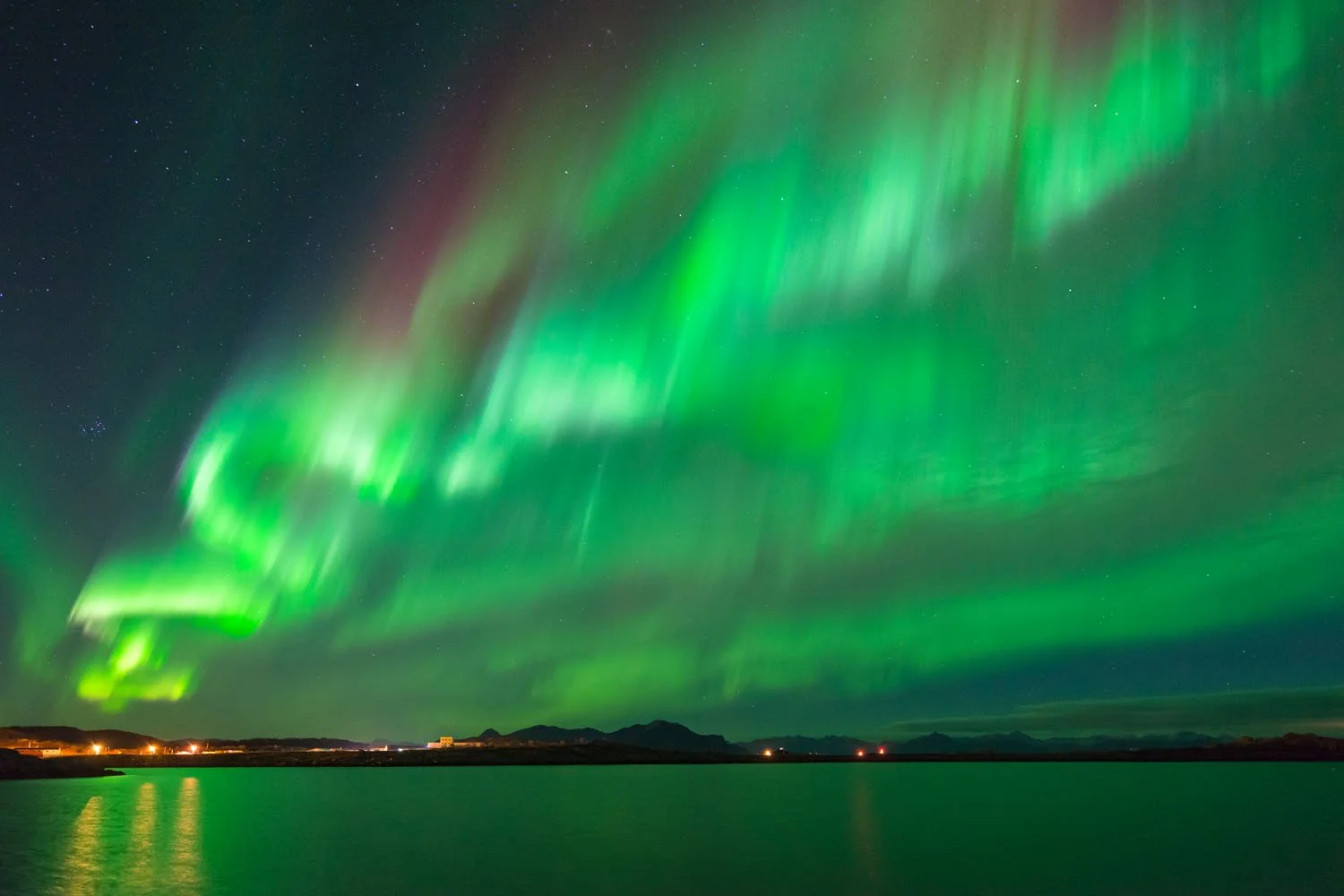
There are few moments in life that stop you completely. The Aurora Borealis — the Northern Lights — is one of them. A slow, silent sweep of green across a black Arctic sky. Then violet. Then a sudden, electric white curtain that ripples as if the atmosphere itself is breathing.
If seeing the Northern Lights is on your list, Northern Norway is the place to do it. Here is everything you need to know.
When is the Best Time to See the Northern Lights in Norway?
The Aurora Borealis is visible in Northern Norway from late September through to late March — any time the nights are long and dark enough for the lights to show. The peak season is November through February, when the Arctic nights are at their longest.
For the best combination of Aurora activity and manageable temperatures, October and February/March are ideal. October offers the first real darkness of the season and often spectacular displays. February and March bring improving weather and the first hints of the returning light — creating dramatic, colourful skies even when the Aurora is not active.
Where in Norway are the Northern Lights Most Visible?
The further north you go, the better your chances — but location alone is not enough. You need dark skies, clear weather, and a high KP index (a measure of geomagnetic activity).
Vesterålen in Northern Norway sits at 68° North, well above the Arctic Circle, with minimal light pollution and consistently dark winter skies. It is one of the best Northern Lights viewing locations in all of Norway — and far less crowded than Tromsø, which has become a very popular (and expensive) Aurora tourism hub.
Ringstad Sjøhus, located in Vesterålen, gives you private access to completely dark skies the moment you step outside.
How to Maximise Your Chances of Seeing the Northern Lights
Stay for at least 5–7 nights. The Aurora is unpredictable; more nights means better odds.
Monitor the KP index. Apps like Space Weather or My Aurora Forecast give real-time Aurora predictions.
Get away from light pollution. Ringstad Sjøhus is perfectly situated for dark-sky viewing.
Watch the weather. Clear skies are essential. February and March tend to have more stable weather in Vesterålen.
Stay up late — or just stay awake. Aurora displays often peak between 10pm and 2am.
Photographing the Aurora Borealis
Aurora photography is more accessible than ever with modern smartphones and cameras. For the best results: use manual mode, set ISO between 800–3200, choose an aperture of f/2.8 or wider, and use a shutter speed of 5–15 seconds. A tripod is essential. And do not forget to actually put the camera down and just watch — it is one of those sights that deserves to be experienced as well as photographed.
Northern Lights at Ringstad Sjøhus
Ringstad Sjøhus sits in one of Northern Norway's finest Aurora Borealis viewing locations. The property is surrounded by dark, open skies with unobstructed horizons — meaning that even a modest Aurora display will be clearly visible. On nights of high geomagnetic activity, guests at Ringstad Sjøhus have described the experience as truly life-changing.
With space for up to six guests and the entire property privately yours, Ringstad Sjøhus is the ideal base for a dedicated Northern Lights holiday in Norway.
Book your Northern Lights stay at Ringstad Sjøhus with us and prepare to have your mind changed about what the sky is capable of.
